
Top Waterproofing Products to Protect Your Property Effectively
Explore the leading waterproofing solutions designed to prevent leaks and moisture damage with durability and ease of application.
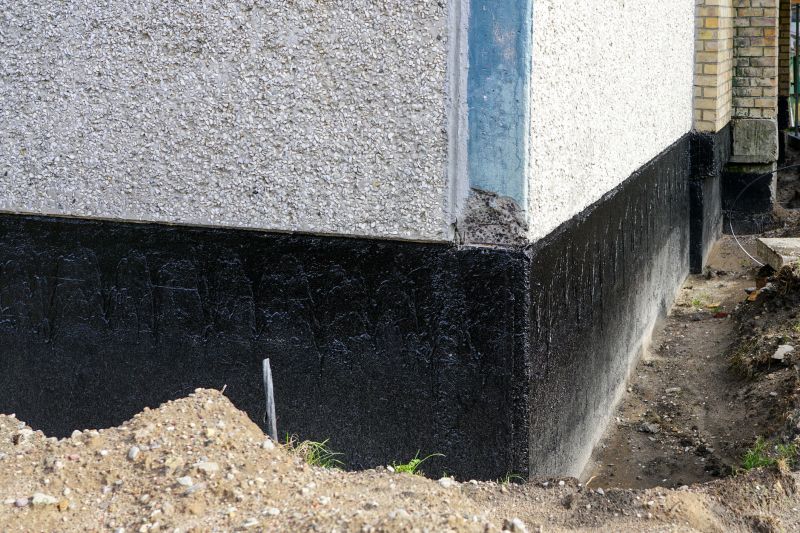 Waterproofing products are essential for protecting structures and surfaces from water intrusion, which can cause damage, mold growth, and deterioration over time. Whether you are working on a home renovation, sealing a basement, or maintaining outdoor surfaces, selecting the right waterproofing solutions is crucial for durability and long-term performance. These products come in various forms, including liquid coatings, membranes, sealants, and tapes, each designed to address specific needs and application environments.
Top Overall Option
Liquid Waterproofing Membrane
A versatile liquid membrane can be applied to a variety of surfaces, creating a seamless, flexible barrier against water intrusion. It is suitable for foundations, roofs, and decks, offering ease of application with brush, roller, or spray. This type of waterproofing is often favored for its adaptability and strong adhesion qualities, making it a reliable choice for many projects.
Types of Products For Waterproofings
Liquid Waterproofing Membranes
Flexible, liquid coatings that form seamless barriers when dried, ideal for various surfaces including roofs and foundations.
Bituminous Coatings
Asphalt-based coatings providing durable, water-resistant layers suitable for roofing and below-grade applications.
Rubberized Sealants
Flexible sealants that adhere well to different materials, perfect for sealing joints and cracks.
Polyurethane Coatings
High-performance coatings offering excellent elasticity and adhesion for waterproofing surfaces like decks and balconies.
Cementitious Waterproofing
Waterproof cement-based coatings often used in basements and tunnels for their strong adhesion and durability.
Waterproofing Tapes
Self-adhesive tapes designed to seal joints, cracks, and seams in various surfaces.
Sheet Membranes
Pre-formed sheets made of rubber, bitumen, or plastic that act as physical barriers against water.
Concrete Sealers
Penetrating sealers that protect concrete surfaces from water penetration while maintaining breathability.
Acrylic Waterproof Coatings
Water-based coatings that provide flexible, waterproof layers suitable for roofs and walls.
Bitumen Sheets
Durable sheets made of bitumen used primarily for roofing and below-grade waterproofing.
Hydrophobic Paints
Specialized paints that repel water on exterior surfaces, helping to prevent moisture buildup.
Epoxy Coatings
Strong, chemical-resistant coatings often used in industrial waterproofing applications.
Crack Fillers
Materials designed to fill and seal cracks to prevent water ingress and further damage.
Waterproofing Cement
Specialized cement mixes formulated with waterproofing agents for structural applications.
Popular Choices
Widely used for their ease of application and versatility across different surfaces.
Commonly chosen for their durability and proven performance in roofing projects.
Popular for sealing cracks and joints in both residential and commercial settings.
Favored for decks and balconies due to their elasticity and adhesion.
Preferred for large-scale waterproofing projects where a physical barrier is needed.
Chosen for protecting concrete surfaces from water penetration while maintaining appearance.
Popular for their ease of use and flexible waterproofing solutions for roofs.
Convenient for quick repairs and sealing around joints and seams.
Often selected for exterior walls to help prevent moisture buildup.
Common in industrial environments for their chemical resistance and waterproof qualities.
For residential projects, waterproofing often involves sealing foundations, basements, and crawl spaces to prevent water seepage during heavy rains or snowmelt. Exterior waterproofing membranes are commonly used on foundations to create a barrier between the soil and the structure. Interior sealants and coatings can further enhance protection, especially in areas prone to moisture exposure. Outdoor surfaces like decks, patios, and driveways also benefit from specialized waterproof coatings that resist water penetration and surface wear.
Commercial and industrial applications may require more robust solutions, such as liquid rubber membranes or heavy-duty sealants, capable of withstanding harsher conditions. Proper application and choosing the right product for your specific surface and environment are key to ensuring effective waterproofing. Regular maintenance and reapplication may be necessary to preserve the integrity of the waterproofing layer over time. When selecting products, consider compatibility with existing surfaces, ease of application, drying times, and the level of water resistance required.
In Saginaw, MI, where seasonal weather can bring significant moisture challenges, investing in reliable waterproofing products can help protect property investments and maintain structural integrity. Whether for residential, commercial, or DIY projects, understanding the variety of available solutions can assist in making informed decisions that suit your specific needs and conditions.
Key Buying Considerations
- Identify the specific surface or area requiring waterproofing to select the most suitable product.
- Consider the environmental conditions, such as exposure to UV rays, temperature fluctuations, and moisture levels.
- Evaluate the ease of application and whether the product can be applied with tools you have access to, such as brushes, rollers, or sprayers.
- Check drying and curing times to ensure the product fits within your project timeline.
- Determine the level of flexibility needed, especially for surfaces subject to movement or expansion.
- Assess the compatibility of the waterproofing material with existing surfaces and coatings.
- Review the product’s resistance to chemicals, UV, and surface wear for long-term durability.
- Consider the thickness or coverage area per application to estimate quantities needed.
- Look for products with good adhesion properties to prevent peeling or bubbling over time.
- Evaluate the weather conditions for application—some products require dry, warm conditions for optimal curing.
- Check for any specific safety instructions or ventilation requirements during application.
- Consider whether a single product can serve multiple purposes or if multiple products are needed for a comprehensive solution.
- Review customer feedback and ratings to gauge real-world performance and satisfaction.
- Ensure the product is suitable for indoor or outdoor use as per your project needs.
- Verify if reapplication or maintenance is necessary over time to maintain waterproofing effectiveness.